
How Do I Check My Coolant: Essential Maintenance Steps
Thermal management sits at the core of internal combustion efficiency. Every driver eventually faces the moment when temperature gauges spike or warning lights flash. The cooling system relies on a precise blend of antifreeze and water, circulating through the engine block to absorb excess heat before releasing it through the radiator. Modern formulations use ethylene glycol or propylene glycol mixed with corrosion inhibitors, replacing the crude tap-water solutions of the early twentieth century. Understanding the fluid dynamics and pressure mechanics behind this system turns a routine inspection into a reliable safeguard against catastrophic overheating.
How to Check Engine Coolant Level Safely
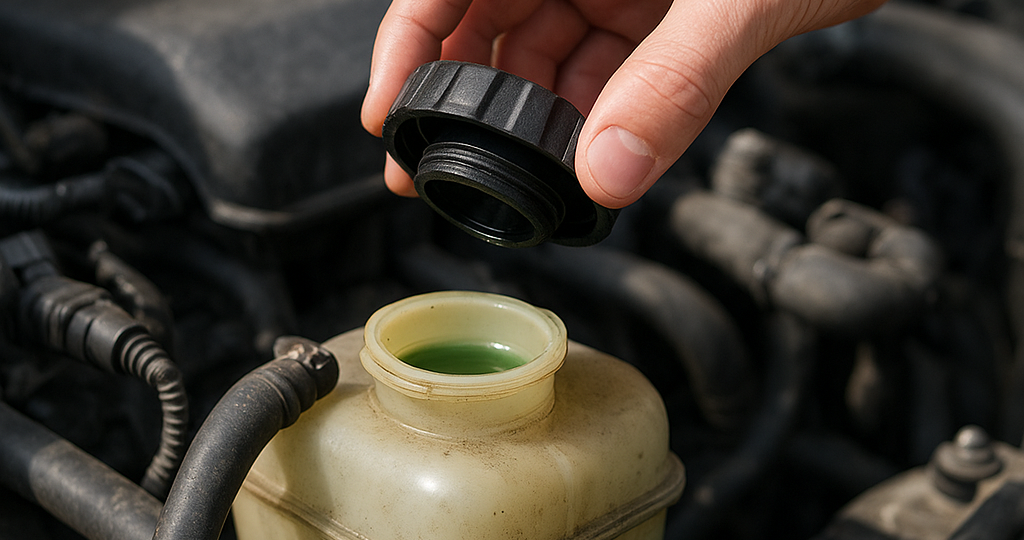
The expansion tank, often called the overflow reservior, serves as the primary visual indicator for most contemporary vehicles. Engineers designed these translucent plastic containers with clearly marked minimum and maximum lines. When the engine sits cold, the fluid should rest near the upper boundary. Heating causes thermal expansion, pushing excess liquid into the tank, while cooling draws it back through a one-way valve. Opening the radiator cap while the system is pressurized creates a serious burn hazard, which is why manufacturers shifted toward sealed secondary tanks decades ago. Regular inspection requires a quick glance under the hood before starting the engine, preferably during morning routines when ambient temperatures remain stable.
How to Check Car Coolant Level Across Seasons
Regional weather patterns dictate maintenance intervals and mixture ratios. Drivers in northern territories require higher antifreeze concentrations to prevent freezing and cylinder cracking, while southern operators focus on boiling point elevation and corrosion control. The fluid color offers clues about chemical composition, ranging from traditional green to modern orange or blue variants. Mixing incompatible formulations triggers sludge formation and compromises heat transfer efficiency. Checking the mixture strength involves a simple refractometer or test strips, tools that take seconds to read but prevent expensive repairs. Seasonal transitions demand a full system flush every two to four years, depending on manufacturer specifications.
How Do I Check Coolant Level When Electronics Malfunction
Electronic monitoring has replaced manual dipsticks in recent model years, yet sensors occasionally drift or corrode. A malfunctioning temperature sender unit might display false readings, leaving drivers to rely on physical inspection. Visual verification requires locating the plastic tank near the radiator, wiping away road grime, and confirming the liquid sits between the designated markers. If the tank runs dry despite recent top-ups, a hidden leak or blown head gasket becomes likely. Pressure testing the system with a handheld pump reveals weak points in hoses, clamps, or the water pump seal before they escalate into roadside breakdowns.
How to Check the Coolant Level: Historical Context and Modern Standards
Automotive thermal management underwent radical shifts from the 1930s onward. Early automobiles used open radiators that required daily water refills and manual boiling prevention. The introduction of pressurized caps in the mid-century era raised boiling points and reduced evaporation losses. By the 1980s, sealed expansion circuits became standard, eliminating the need for weekly maintenance checks. Today, long-life formulations promise five to ten years of service, though neglect still causes widespread pump failures and thermostat jams. The transition from reactive repairs to predictive monitoring reflects broader engineering progress.
| Era | System Type | Maintenance Frequency | Primary Fluid |
|---|---|---|---|
| 1920–1950 | Open radiator | Daily to weekly | Tap water with soda ash |
| 1950–1990 | Pressurized cap | Monthly | Ethylene glycol blend |
| 1990–2026 | Sealed expansion tank | Quarterly or sensor-driven | Extended-life organic acid |
Modern cooling architecture prioritizes pressure retention and chemical stability, shifting driver responsibility from constant refilling to periodic verification of fluid quality and system integrity.
Routine inspections remain straightforward despite increasing electronic integration. Drivers should park on flat surfaces, allow the engine to cool completely, and verify tank markings under adequate lighting. Topping off requires manufacturer-approved fluids to maintain chemical balance. Hoses showing cracks, bulges, or sticky deposits warrant immediate replacement. Proper maintainence extends component lifespan and preserves fuel efficiency. For detailed regional guidelines, consult resources like AAA Auto Repair Guidelines or review federal safety standards at NHTSA Vehicle Safety Resources. Historical context and technical specifications can also be cross-referenced via Source: bbc.com.
- Inspect the expansion tank before ignition
- Verify fluid color matches manufacturer specifications
- Replace cracked hoses and corroded clamps promptly
- Use a refractometer during seasonal transitions
- Address persistent top-up requirements with a pressure test